Cessna 172F Rheostat (No Knob)
Cessna 172F Rheostat (No Knob)
Blog Article
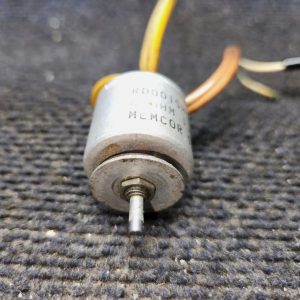
The Cessna 172F Rheostat (No Knob)
A Cessna 172F Rheostat may also be marketed as a Cessna 172F Lighting Rheostat or Cessna 172F Panel Light Rheostat when the intended circuit and complete part number are stated accurately.
These related terms help maintenance professionals and restorers locate a suitable lighting-control component for a classic Cessna check here cockpit.
An Aircraft Lighting Rheostat, Aircraft Panel Light Dimmer, Aviation Lighting Control Rheostat, and Aircraft Instrument Lighting Control belong to the broader category of variable cockpit illumination components.
Cessna 172F Electrical Parts can include the rheostat, wiring, terminals, connectors, circuit protection, lamps, panel hardware, and a compatible control knob.
Why the Exact Rheostat Part Number Matters
The P/N RD0015H1600JBC designation should be confirmed through markings on the rheostat body, tags, donor-aircraft information, packaging, photographs, and available maintenance records.
The buyer should determine whether the rheostat is original, used, new-old-stock, repaired, refurbished, tested, untested, or removed from an aircraft.
Selecting a Replacement Control Knob
Accurate knob information helps prevent incomplete installations and loose cockpit controls.
A restoration project may prioritize an original-style knob, while an active aircraft installation must also consider secure operation and accurate control identification.
Understanding Variable Panel Illumination
A rheostat regulates current or voltage within a compatible lighting circuit to vary the brightness of connected lamps or panel illumination components.
Lighting problems can also result from lamps, wiring, grounds, connectors, circuit protection, or damaged panel components.
Verifying Rheostat Fitment Before Purchase
A rheostat associated with a Cessna 172F should not be advertised as universally compatible with every Cessna 172 variant.
Previous aircraft modifications should be reviewed before reconnecting the replacement component.
Inspecting the Rheostat Housing and Shaft
Inspection should begin with the component clean enough to reveal cracks, corrosion, heat discoloration, damaged threads, bent shafts, missing insulation, contamination, and previous repair.
Professional physical inspection supports reliable Cessna Instrument Panel Rheostat installation.
Cessna Electrical Terminal Condition
Terminal arrangement should be photographed and documented before the original component is disconnected.
Damaged terminals should not be bent repeatedly in an attempt to restore alignment.
Determining Rheostat Test Status
Testing may include resistance measurement, continuity checks, smoothness evaluation, terminal mapping, and controlled functional testing appropriate to the identified component.
A successful bench test does not independently establish aircraft installation eligibility or current serviceability.
Avoiding Unnecessary Rheostat Replacement
The complete lighting system should be inspected before the rheostat is identified as the only failed component.
Intermittent faults can appear only during vibration, temperature change, or movement of the control.
Restoring a Classic 172F Cockpit
A Cessna 172F Rheostat can provide valuable restoration potential for owners preserving the appearance and function of an original-style cockpit.
Professional restoration supports both presentation and practical cockpit operation.
Cessna 172F Electrical Parts for a Complete Repair
Organized inventory management supports a more efficient Cessna 172F electrical project.
Clear component control reduces accidental installation of unverified cockpit parts.
Evaluating Electrical Component Repair Value
A documented repair approach supports a more consistent result.
Any repair organization, work performed, replacement materials, and results should be documented.
Evaluating a Used Aircraft Lighting Control
Accurate listings strengthen buyer confidence and reduce disputes.
The listing should state whether the component is new, used, refurbished, tested, partially tested, untested, or offered for parts.
Inspecting the Rheostat Before Purchase
Any uncertainty regarding specifications, circuit function, knob compatibility, or aircraft fitment should be resolved before shipment.
- Resolve identity, electrical compatibility, fitment, and package-completeness questions before payment.
- Review any test results for resistance consistency, continuity, dead spots, intermittent operation, and terminal mapping.
- Inspect and photograph the rheostat immediately after delivery before cleaning, testing, opening, repairing, wiring, mounting, or modifying it.
Shipping and Storing the Aircraft Rheostat
The shaft should not carry the weight of the component during shipment or storage.
Test records and identification information should remain associated with the component.
Completing a Rheostat Replacement
Every wire and terminal should be identified and documented before removal.
The shaft should rotate freely after mounting and should remain properly aligned with the replacement knob and panel opening.
The aircraft should not return to service until the installation has been evaluated and documented appropriately.
Preventive Cessna Electrical Maintenance
Loose mounting, flickering, dead spots, or abnormal resistance should be investigated promptly.
The control knob should not be pulled, twisted beyond its stops, or used as a support for other equipment.
Choosing the Cessna 172F Rheostat (No Knob)
P/N RD0015H1600JBC may suit aircraft owners, avionics facilities, maintenance technicians, restoration specialists, and parts suppliers seeking an identifiable lighting control.
Careful technical and commercial evaluation can reduce wiring errors, incompatible dimming behavior, missing-knob costs, installation delays, overheating, and unexpected electrical faults.
Whether buyers need a Cessna 172F Instrument Light Control, Cessna Instrument Panel Rheostat, Cessna Cockpit Lighting Control, or Aircraft Lighting Rheostat, circuit-specific compatibility should be verified.
With transparent test status, protected shipping, correct fitment, a suitable knob, and qualified maintenance review, the component can support a professional Cessna 172F project.
Report this page